
Case Studies
Case List
- CBN First Financial G01 Studio Network Management System
- Mianyang Radio and Television facility-wide monitoring system
- Guangdong Radio and Television (GRT) intelligent Master Control Room (MCR) --- visual matrix switching system
- Nanjing TV studio source naming system
- Sichuan satellite uplink vehicle satellite system monitoring
- Sichuan TV facility-wide Tally system
- Xiamen TV HD OB Van system
- Yiwu TV Studio Complex UMD&Tally System
- Canxing (Shanghai Canxing Culture Media) 6-Channel Studio Compact Tally System
- Hunan TV integrated network management system
- CCTV new headquarters E14 studio complex monitoring system
- Five Star Sports Channel "Yi Qi Shua Da Pai" Program iStudio System


Hunan TV integrated network management system

Hunan Broadcasting System (HBS)
1. System Overview
The transmission monitoring equipment room system project at the Coverage and Transmission Center of Hunan Broadcasting System (HBS) (i.e., the integrated network management system) requires quality monitoring of the cable TV encoding and multiplexing system, the terrestrial digital TV encoding and multiplexing system, and the off-site live transmission system within the transmission equipment room.
Our company provides the integrated network management system for the entire transmission system. It connects all manageable devices in the transmission equipment room, creates transmission system process topology diagrams and device connection topology diagrams, and enables real-time, intuitive fault location display and alarming on both diagrams. Users can log in remotely to check system operation status. Device alarms at each stage are automatically reported by severity level, with notifications sent to responsible personnel via SMS, WeChat, and voice calls. System safety operation data is aggregated and processed to generate monthly, quarterly, and annual reports.
2. System Features
The integrated network management system is monitoring software independently developed by our company. Drawing on years of experience in end-to-end digital TV transmission, communication products, and system integration, it offers professional system status monitoring and centralized alarm display, helping users manage the operation and maintenance of the entire system with ease.
1. Centralized Device Management
The integrated network management system supports multiple communication methods including SNMP, web, serial port, and GPIO, enabling centralized management of devices with different interfaces.
Devices integrated into the integrated network management system are listed in the table below:
No. |
Device Name |
Monitoring Interface |
1 |
Multi-Channel Satellite Receiver |
Ethernet |
2 |
Satellite Receiver / Decoder |
Ethernet |
3 |
Splitter |
Ethernet |
4 |
Optical Transceiver Module |
Ethernet |
5 |
SD Encoder |
Ethernet |
6 |
SD Encoder |
Ethernet |
7 |
HD Encoder |
Ethernet |
8 |
HD Encoder |
Ethernet |
9 |
Matrix |
Ethernet |
10 |
Ethernet Switch |
Ethernet |
11 |
Multiplexer |
Ethernet |
12 |
Multiplexer |
Ethernet |
13 |
Message Gateway |
Serial Port |
14 |
Photoelectric Smoke Sensor |
GPIO |
15 |
Temperature and Humidity Sensor |
Ethernet |
16 |
Camera |
Ethernet |
Table 1: List of Devices Integrated into the Network Management System
2. Intuitive Visual Graphical Interface
The integrated network management system can create topology diagrams based on the logical relationships between devices in the system, providing a more intuitive display and associating actual devices with topology nodes. When a device generates an alarm, the alarm information can be viewed directly on the associated node in the topology diagram.
Through the topology diagram, users can navigate between the overall system status, subsystem status, devices, and module cards at multiple levels, intuitively presenting the logical connections between system devices.
3. Global Status Overview
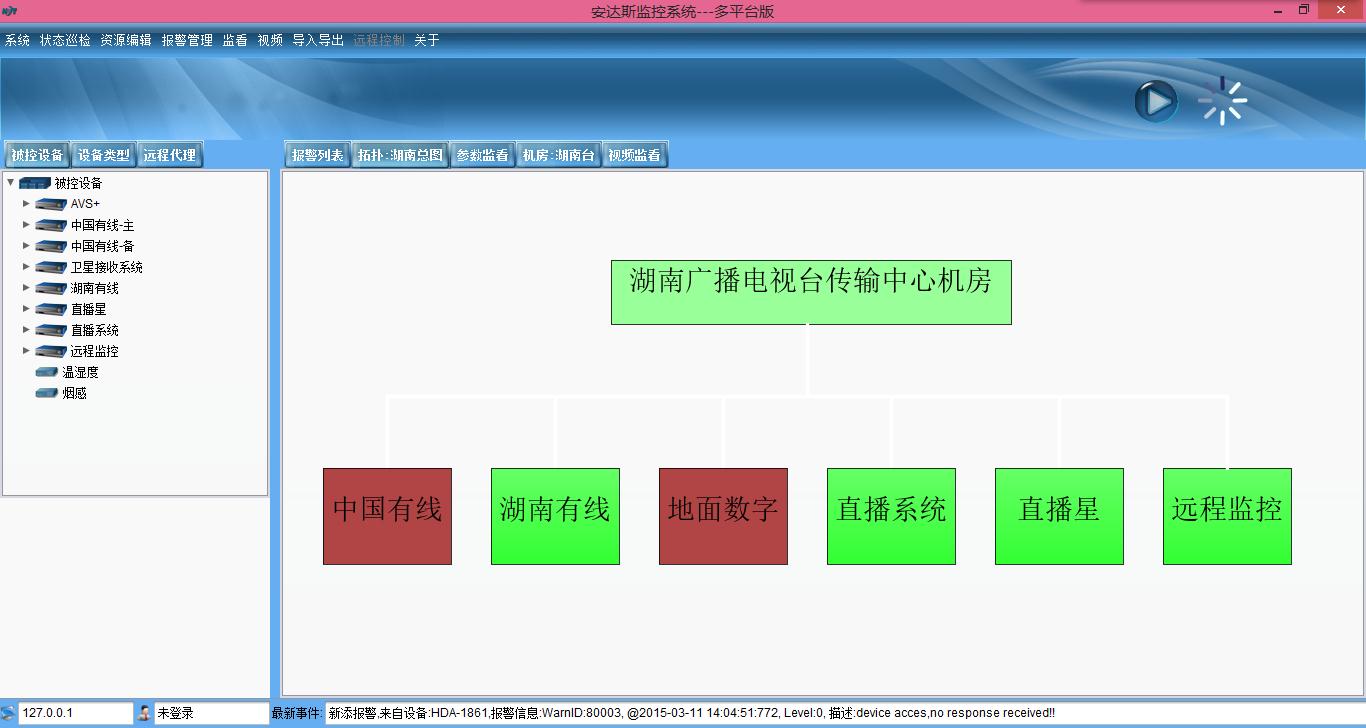
Figure 1: Global Status Display
4. Subsystem Status Information
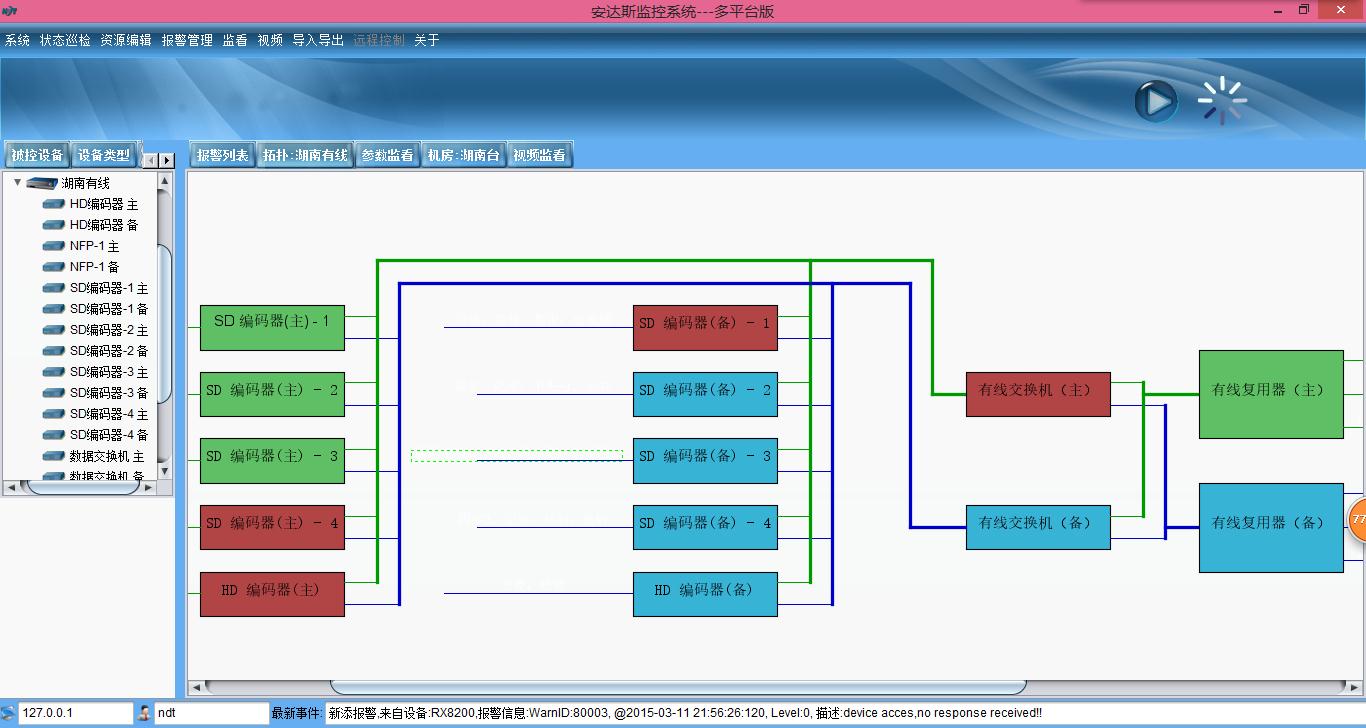
Figure 2: Subsystem Status Display
5. Comprehensive Alarm Modes
The integrated network management system features comprehensive alarm modes and diverse alarm notification types. In addition to on-site audible and visual alarms, it provides notification methods such as WeChat, SMS gateway, and text-to-speech phone calls. Alarm strategies for SMS, WeChat, and other channels can be configured independently. Only alarm information meeting preset conditions is sent to designated users, ensuring that users are informed of system operation status immediately even when away from the site, and facilitating prompt fault handling.
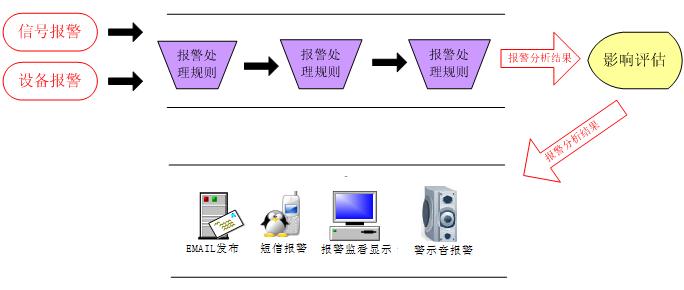
Figure 3: Alarm Handling Process
6. Comprehensive Data Processing
The integrated network management system provides rich data processing capabilities including real-time alarm monitoring, querying, statistics, meter reading, and parameter adjustment. It meets diverse user requirements for personalized alarm information handling. Specified device parameters can be collected and recorded over extended periods. Through in-depth statistical analysis, users gain a thorough understanding of broadcast program transmission status, providing a solid basis for management departments.
7. Local Alarm Statistics Query
Statistical query results can be presented intuitively via charts and lists.
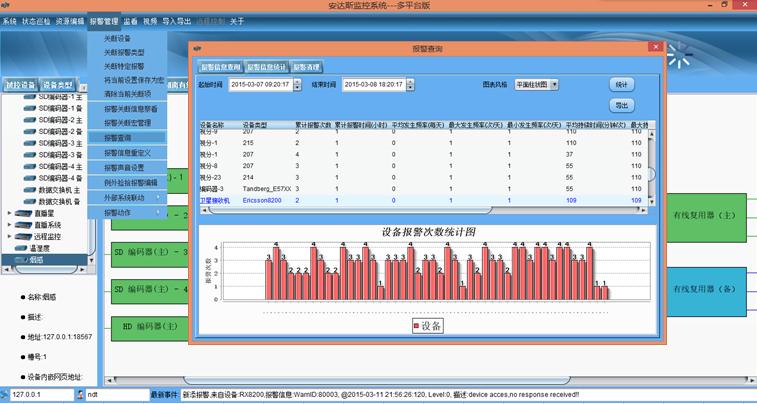
Figure 4: Alarm Statistics Query
8. Remote Alarm Statistics Query
Users can remotely log in to the integrated network management system via Android clients, web clients, and other methods to query alarm statistics and check system operation status.
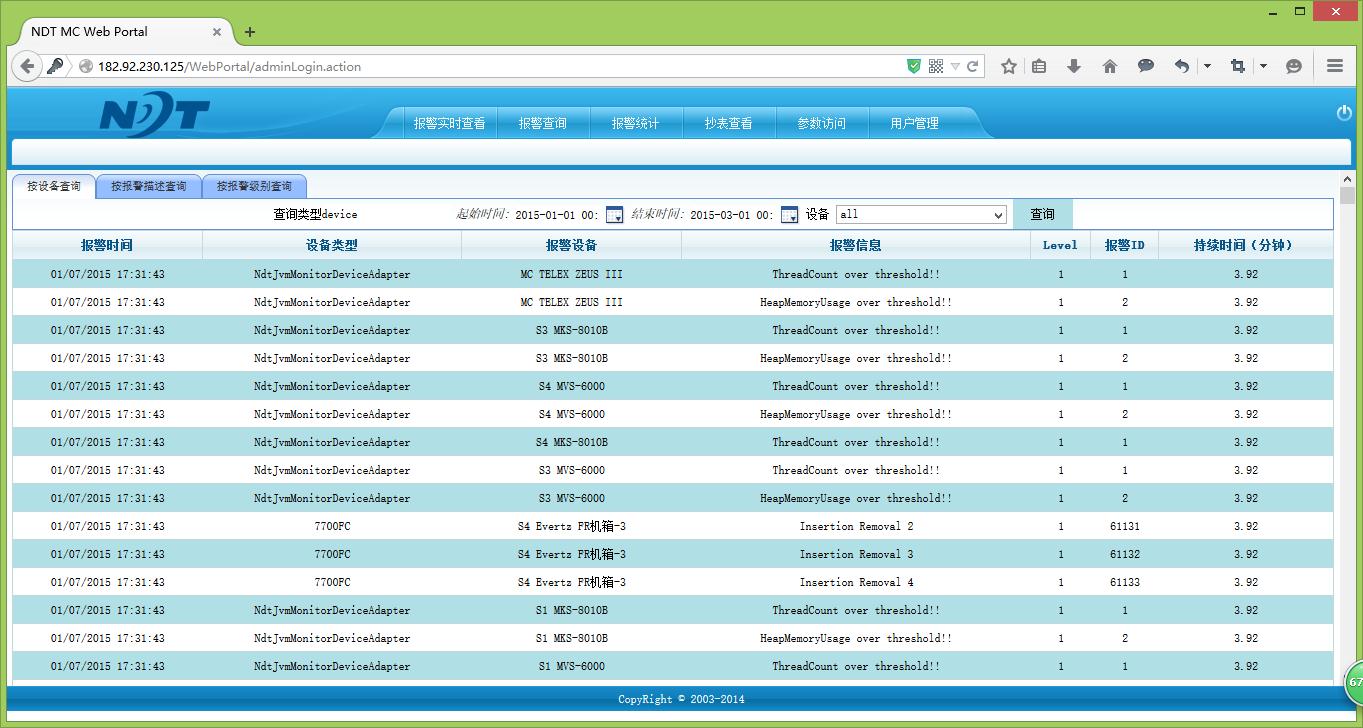
Figure 5: Web Client
9. Remote Parameter Adjustment
Users can remotely log in to the integrated network management system via Android clients, web clients, and other methods to adjust and modify device parameters in real time.
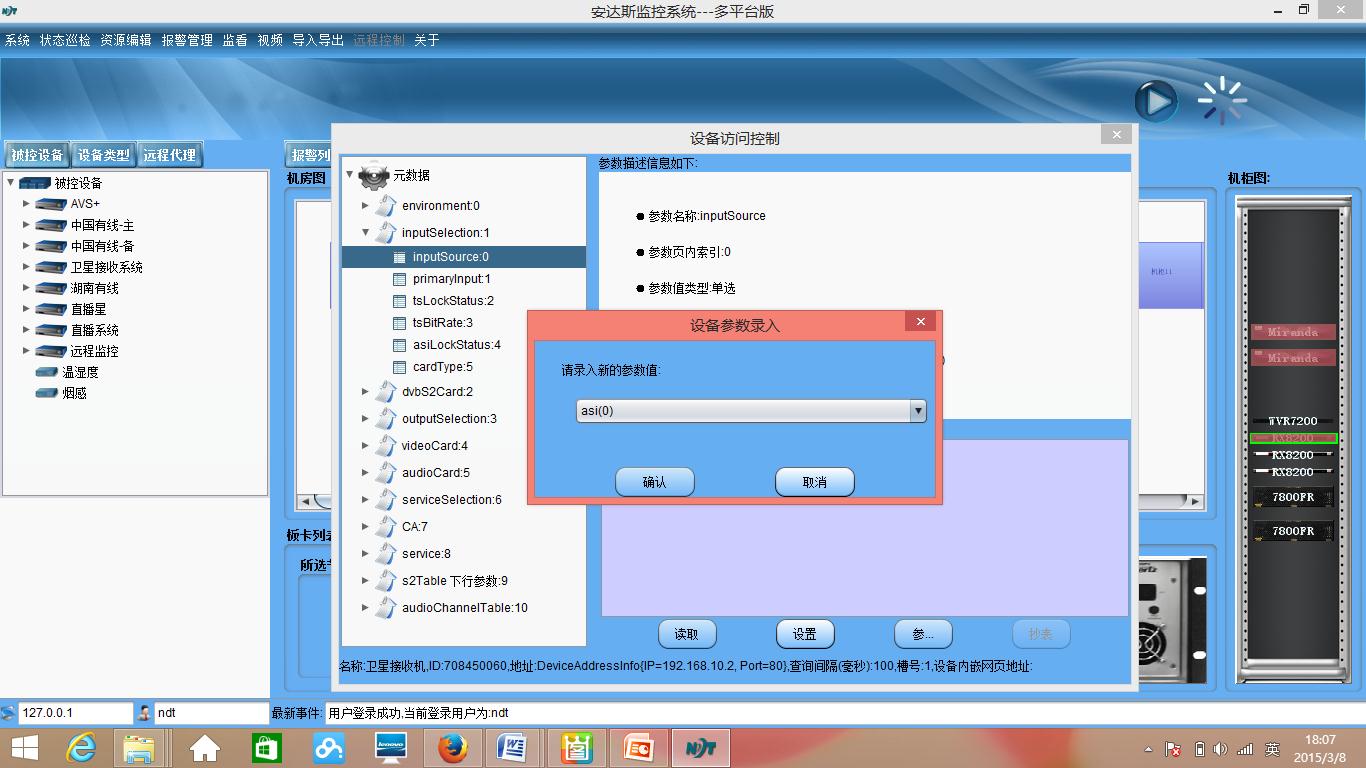
Figure 6: Remote Device Parameter Control
10. Equipment Room Environmental Monitoring
As the Data Center of the entire system, the equipment room serves as the physical safeguard of the whole system, making room security particularly important. The integrated network management system ensures equipment room environmental safety from two perspectives: macro-level video surveillance and micro-level temperature and humidity monitoring. Multiple cameras are installed in the transmission equipment room device area for real-time monitoring of personnel access. Temperature and humidity sensors and broadcast smoke sensors are installed in equipment racks and on ceilings for real-time collection, monitoring, early warning, and alarming of room temperature, humidity, and smoke data.
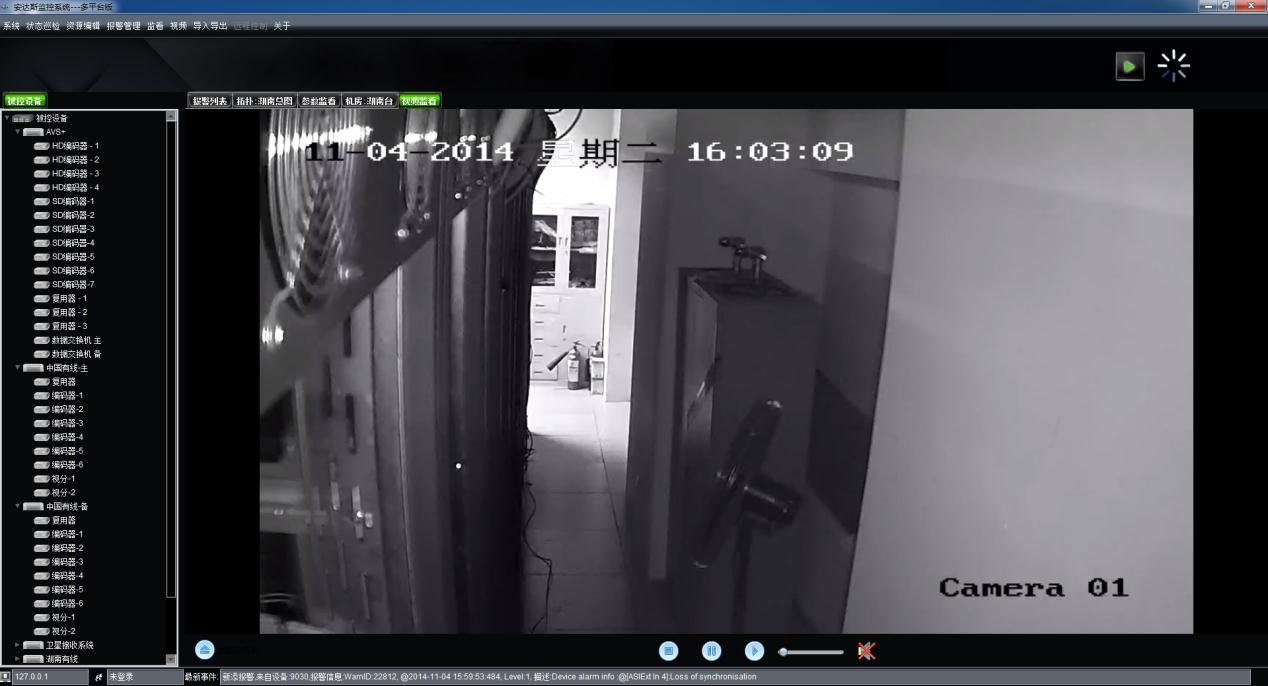
Figure 7: Equipment Room Surveillance Video Playback